- Home
- A nossa comunidade
- A nossa fé
- Os nossos sacerdócios
- Vida paroquial
- Boletim informativo
- Contacte-nos
- Search

Altar Server
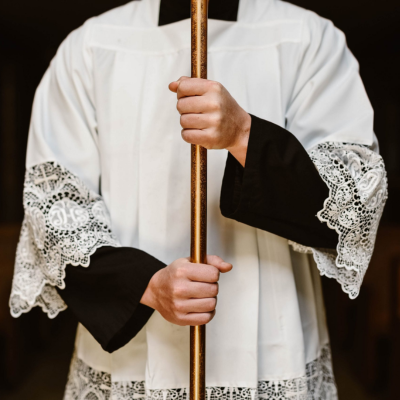
Rooted in the Church’s call for the faithful to participate actively in the liturgy, altar servers assist the priest and deacon in the celebration of Mass by preparing the altar, carrying the cross and candles, and aiding the sacred actions so that the rites unfold prayerfully and reverently. Servers help embody the Church’s understanding that liturgy is the “action of Christ and of his Body” and that all members participate according to their role.
Children's Liturgy
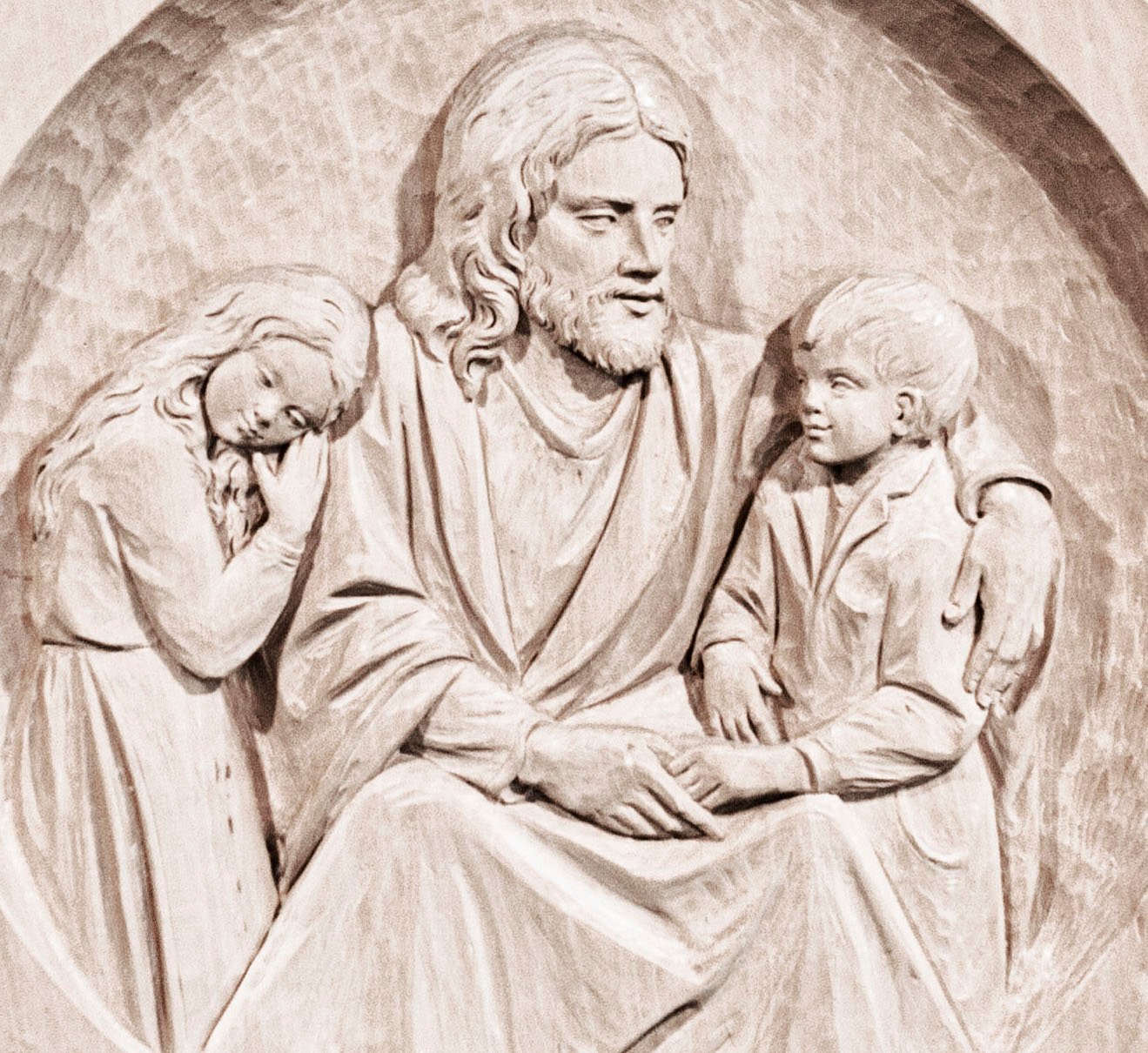
This ministry adapts the Liturgy of the Word for children so they can hear Scripture and respond in a way appropriate to their age, while still leading them toward full participation in the entire Mass. It is rooted in the Church’s pastoral care to form young disciples in the life of prayer and worship.
Extraordinary Eucharistic Minister

While the ordained priest and deacon are the ordinary ministers of Holy Communion, Church norms recognize that lay faithful may be deputed when pastoral need requires additional help. This reflects the liturgy’s communal character — distributing Christ’s Body and Blood more broadly when necessary — always with reverence for “the summit toward which the activity of the Church is directed,” the Eucharist.
Lector
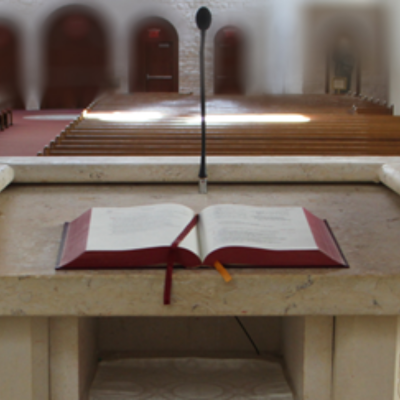
The Second Vatican Council reaffirmed that lay participation in liturgy requires the proclamation of God’s Word with clarity and reverence, “so that the faithful take part fully, actively, and consciously.” Reading the Scriptures at Mass (except the Gospel) is a vital way the laity help the assembly hear God speak and respond in faith; it expresses the communal nature of worship.
Music Ministry
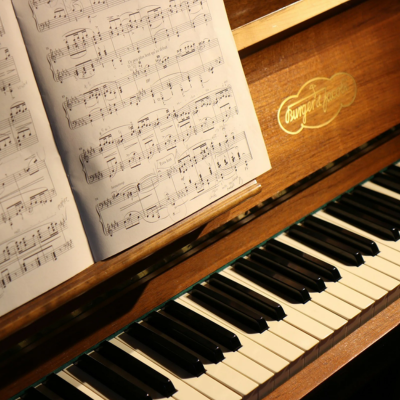
Sacred music has a special place in Catholic worship. Sacrosanctum Concilium teaches that music must be integrated into liturgy so that the faithful can participate actively — “by means of acclamations, responses, psalmody, antiphons, and songs” — expressing the prayer of the entire assembly in harmony with the liturgical rites.
Sacristan
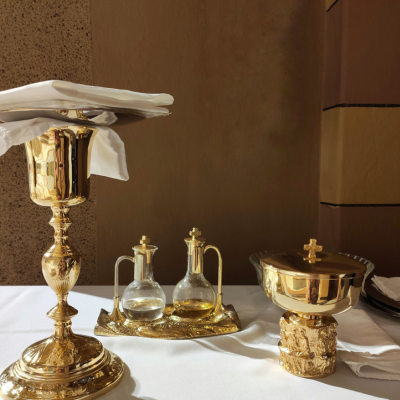
Closely connected with altar service and preparation, the sacristan ensures the vessels, vestments, and liturgical books are ready for worship. This behind‑the‑scenes service helps the liturgy proceed with the dignity and order that befit the sacred mysteries and supports the communal celebration of the Eucharist as taught in the liturgical tradition.
Usher
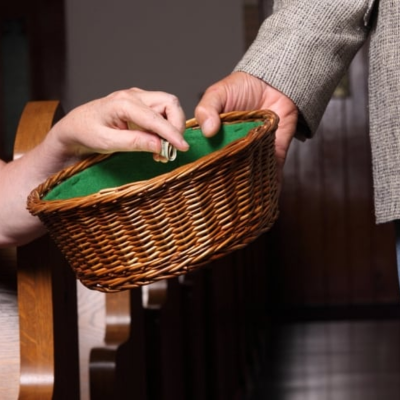
Ushers engage in active lay participation in the liturgy and the communal nature of the Church’s worship. Ushers help welcome, seat, and guide the assembly so that the community can gather as one body for prayer and praise, reflecting the liturgy’s role as “the font from which all her power flows.”